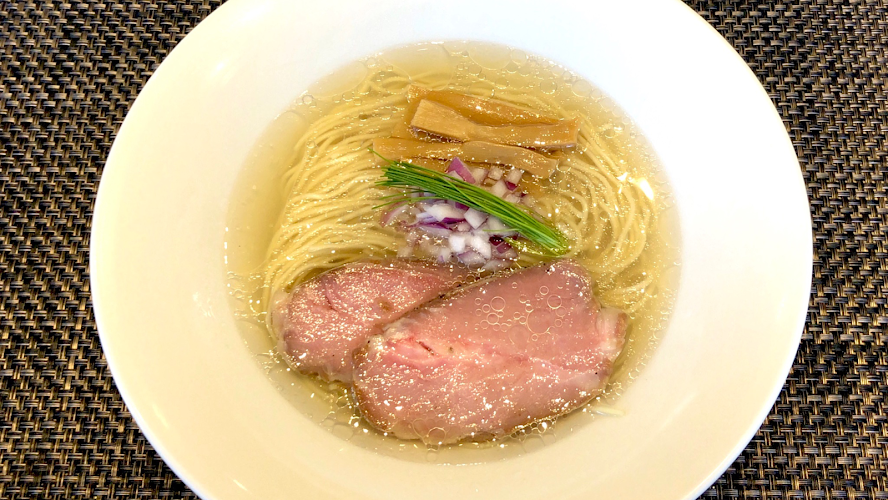
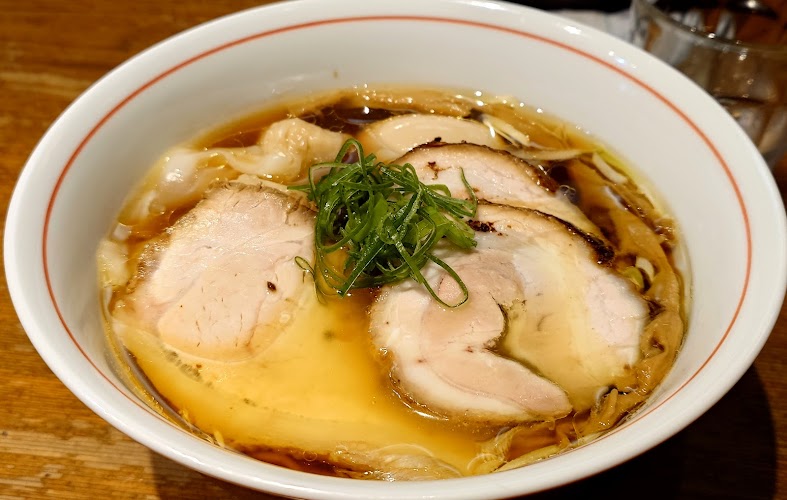
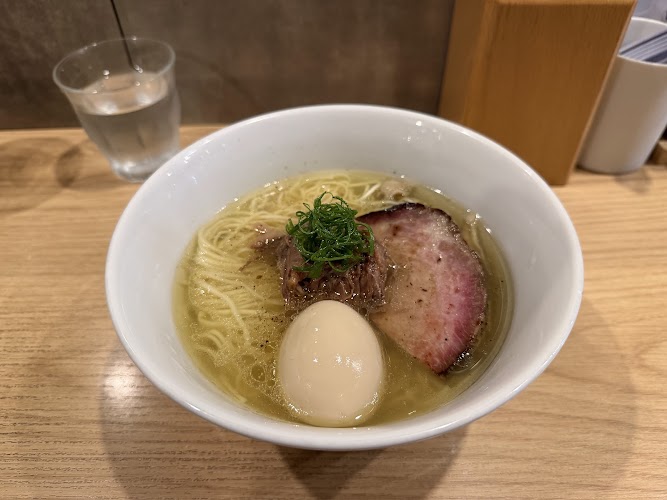
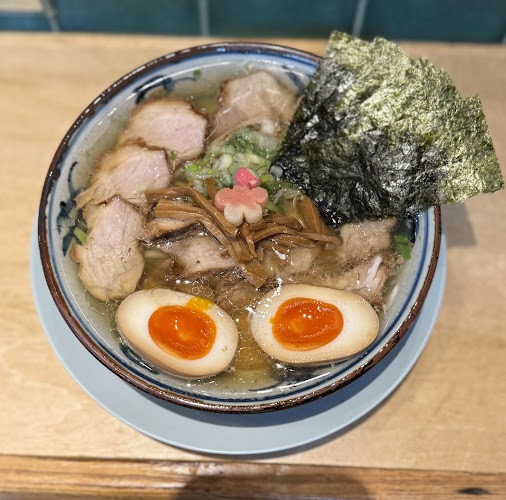
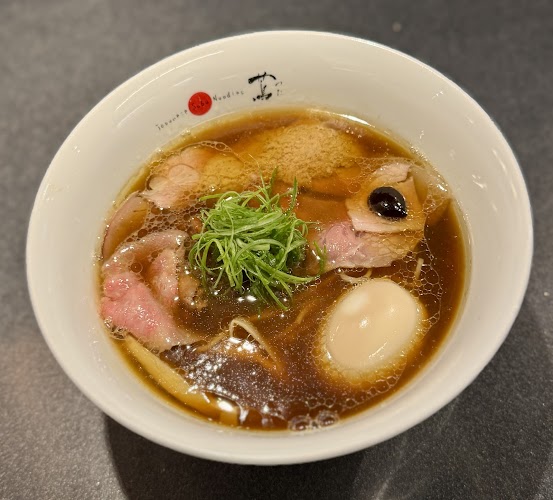
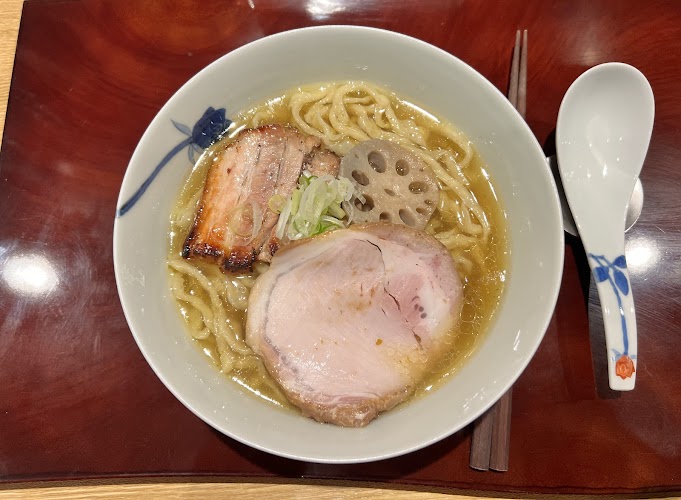
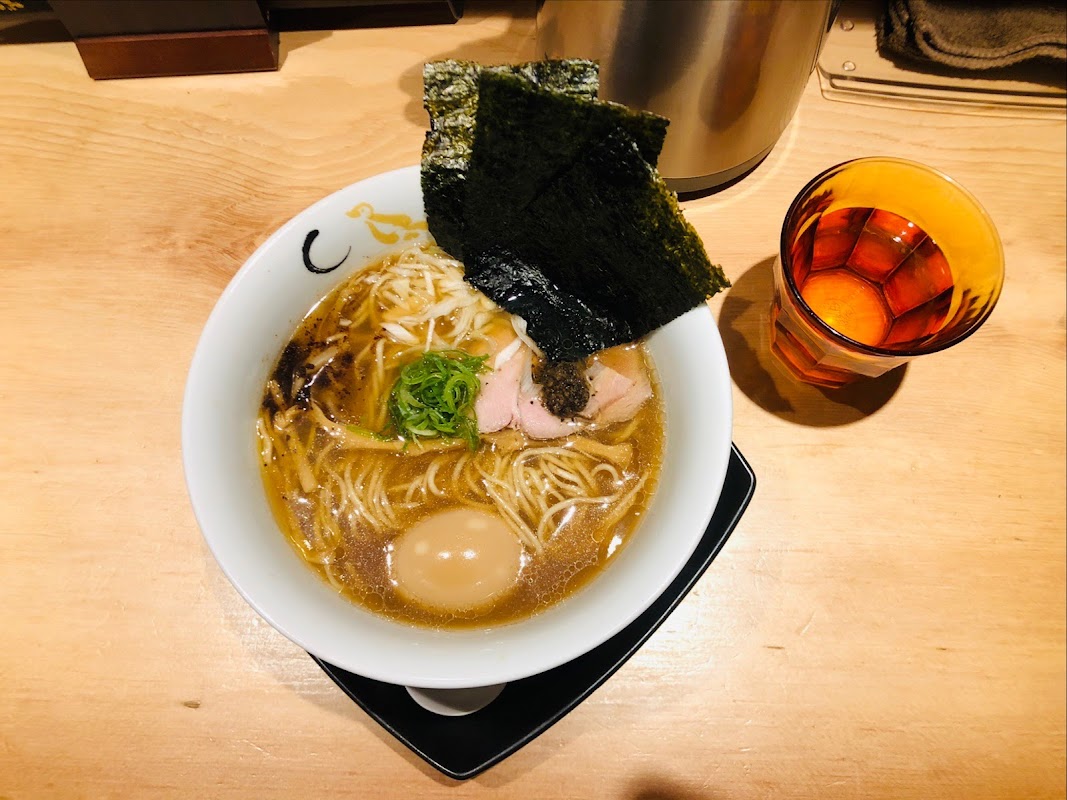
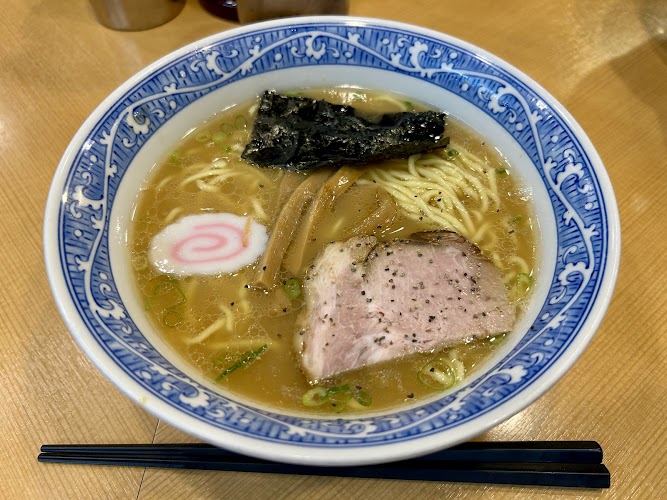
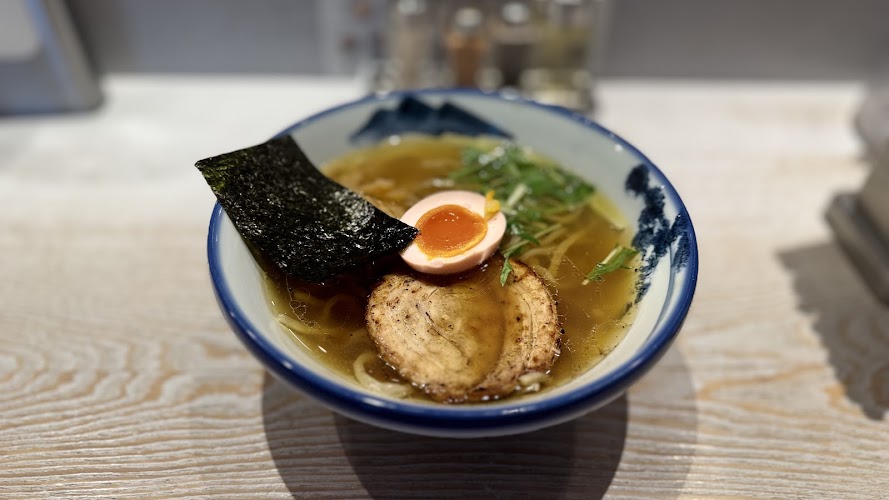
Shoyu is the quiet grandfather of Tokyo ramen. While tonkotsu grabs the headlines, shoyu is what most locals eat when they want something familiar. A well-made shoyu bowl is a study in restraint: clear amber broth, a pool of aromatic chicken fat on top, a neatly curled coil of noodles, two slices of chashu, a half-boiled egg, a sheet of nori, and a sprinkle of menma and scallion. Nothing extra.
The tare is everything
In shoyu ramen, the tare — the seasoning concentrate that sits at the bottom of the bowl before the broth is poured — determines the character. Great shops age their tare for weeks or months, blending soy sauce with mirin, sake, dried fish, kelp, shiitake, and aromatics. The raw ingredients steep together, often in the refrigerator, for a minimum of 48 hours — serious shops run tares that have been building for months and taste nothing like soy sauce from a bottle. You can taste the difference immediately.
Chan-kei: the shoyu revival
The most unexpected development in Tokyo ramen in the 2020s is the rise of chan-kei (ちゃん系) — shops named with the feminine suffix chan that serve a deliberately nostalgic take on Showa-era chuka soba. The movement started in 2020 with Chie-chan Ramen (ちえちゃんラーメン) in Kanda and spread quickly along the Yamanote Line. The most decorated is Haruchan Ramen (はるちゃんラーメン) in Shinbashi, which earned Michelin Bib Gourmand three consecutive years (2023, 2024, 2025) — an extraordinary achievement for a six-seat, one-cook shop. Chan-kei proved that Tokyo still has an appetite for the style it invented.
Where to find the real thing
Classical shoyu shops still run in neighborhoods like Ogikubo — where Harukiya (春木屋, est. 1949) has been serving the same bowl for over 75 years — and Asakusa, where the style was born. Many of these are cash-only, Japanese-menu only, and indifferent to tourists. For an accessible entry point with English menus and Michelin recognition, Haruchan Ramen in Shinbashi is on our list.