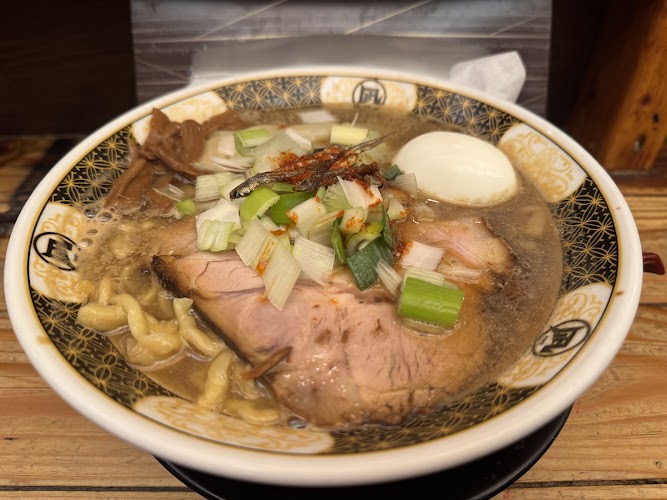
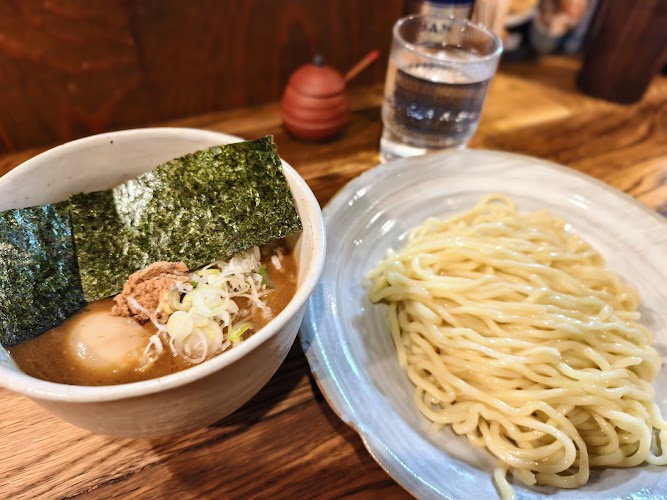
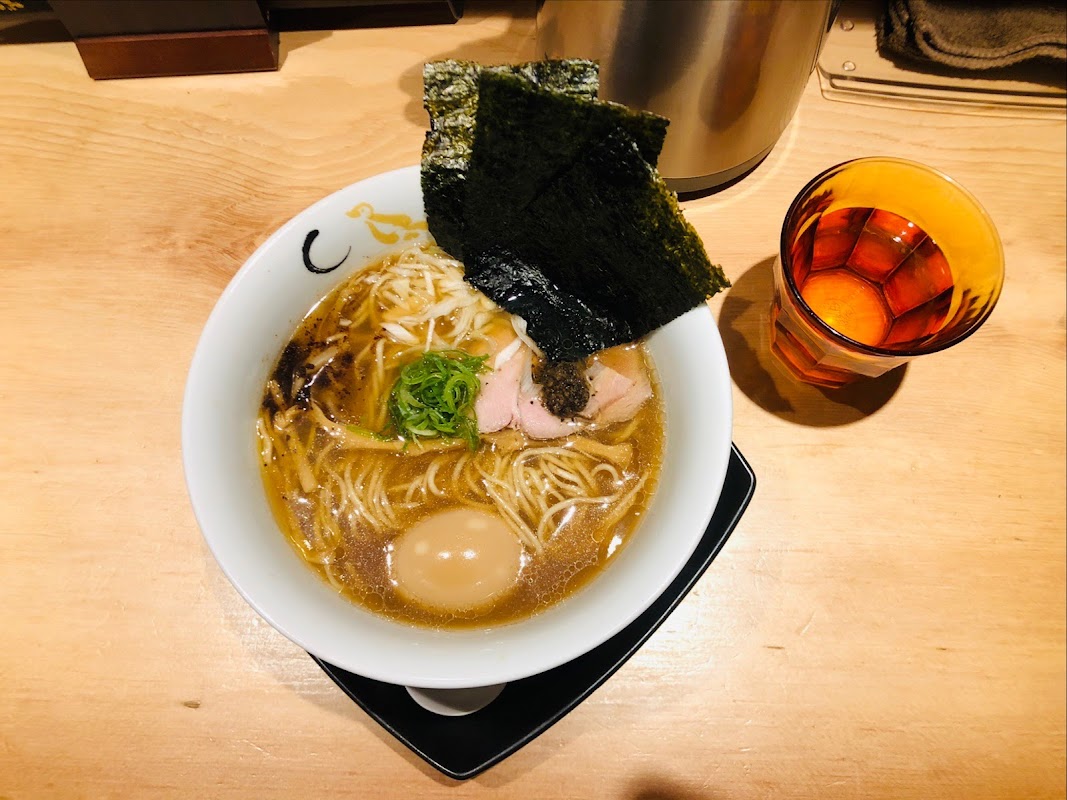
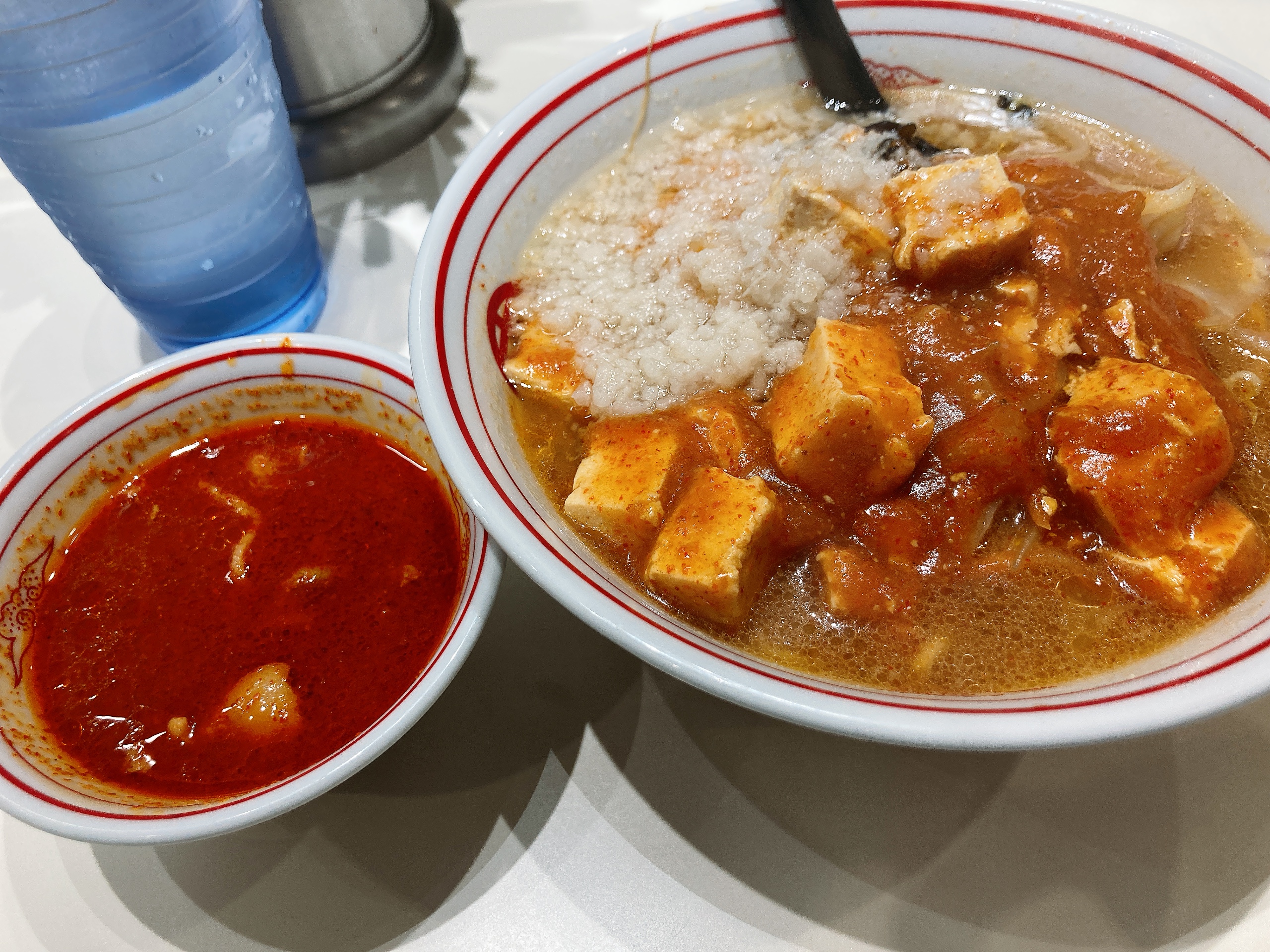
Shinjuku is where most ramen trips in Tokyo begin, and for good reason. The station complex handles more passengers per day than any other in the world — roughly 3.6 million — and the neighborhood around it has evolved to feed every one of them. Ramen shops here have to be good to survive the competition. What's left on the map is, in most cases, already filtered.
What to expect
The styles represented in Shinjuku are unusually varied. You can find Michelin-recognised shoyu that leans on shellfish stocks, chain tonkotsu designed for tourists who don't read Japanese, and a sixty-year-old miso shop with a spice level menu that runs from "normal" to "challenge yourself". Within a fifteen-minute walk you can sample three completely different schools of Tokyo ramen.
Queue culture is aggressive in Shinjuku. The famous shops draw lines at lunch and again at dinner, and a 30-to-60-minute wait at peak hours is not unusual. The workaround is to eat at odd hours — before 11:30 or between 14:00 and 17:00 — or to pick shops with ticket machines and fast turnover, where even a visible queue moves in ten to fifteen minutes.
Where in Shinjuku
The station has so many exits that "near Shinjuku Station" can mean a 20-minute walk between two shops. A few anchor points help:
- East Exit / Kabukicho: Chain-friendly tonkotsu, late-night options, Golden Gai on the edge.
- South Exit: A cluster of spice- and miso-forward shops near the bus terminal and Takashimaya.
- Shinjuku-gyoenmae: A five-minute walk from Shinjuku-sanchome Exit C1 gets you to one of Tokyo's most decorated shoyu shops, away from the crowds.
- Golden Gai: Mostly bars, but a handful of late-night ramen counters squeeze between them.
Local tips
Most Shinjuku ramen shops accept IC cards (Suica, Pasmo) at the ticket machine — the larger, tourist-aware ones also take credit cards, but cash is still the safer assumption. English or picture menus are common in the eastern exits, less so the further you walk. If you're staying in a Shinjuku hotel, plan one early lunch and one late dinner rather than two peak-hour queues in the same day; the neighborhood rewards patience for quality, but only if you pick your moments.
After ramen, Shinjuku Gyoen is a ten-minute walk from the south of the station and one of the best post-meal walks in Tokyo — 58 hectares of landscaped garden that are quiet even on weekends.