Japan Bites

Ramen Style Guide

Iekei家系

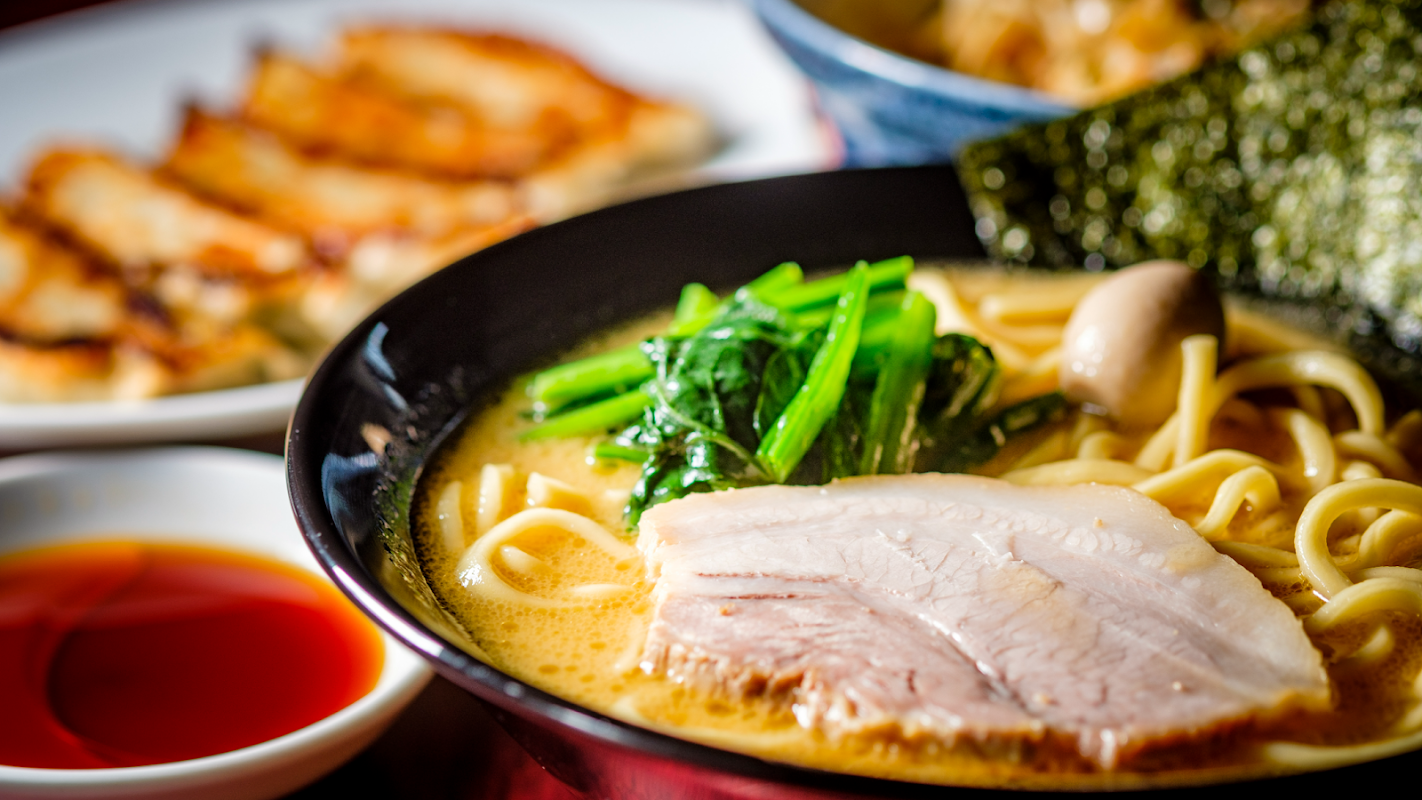
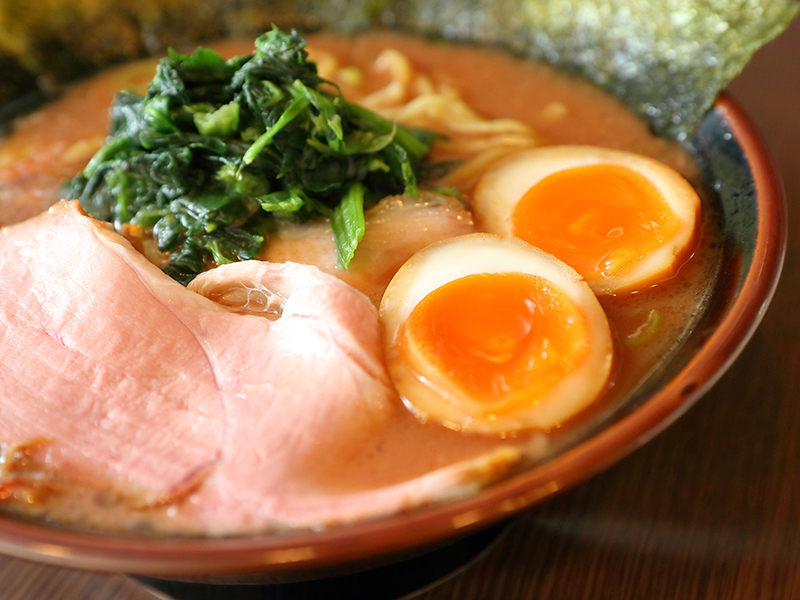
Yokohama-born fusion of tonkotsu and shoyu, served with thick noodles, spinach, and boiled egg — designed to be eaten with rice. One of the most popular ramen categories in modern Tokyo.

Origin

Yoshimuraya, Yokohama, 1974. Founded by Minoru Yoshimura, who combined the pork-bone broth of Kyushu tonkotsu with the soy-sauce tare of Tokyo shoyu. The 'ie' (家) in 'iekei' means 'house' — the naming convention where every direct descendant shop ends in '-ya' (家).

Noodles

Thick, straight, short-cut noodles — almost like udon compared to other ramen. They soak in rich broth without falling apart.

Broth

Pork-bone and chicken broth seasoned with soy-sauce tare, with a thick layer of chicken fat on top. Richer than shoyu, less creamy than tonkotsu.

How to eat

The signature move: at most iekei shops you can customize three things at the counter — noodle firmness (kata / futsuu / yawa), oil amount (oome / futsuu / sukuname), and broth richness (koime / futsuu / usume). Start with all three at 'futsuu' (normal) your first time.

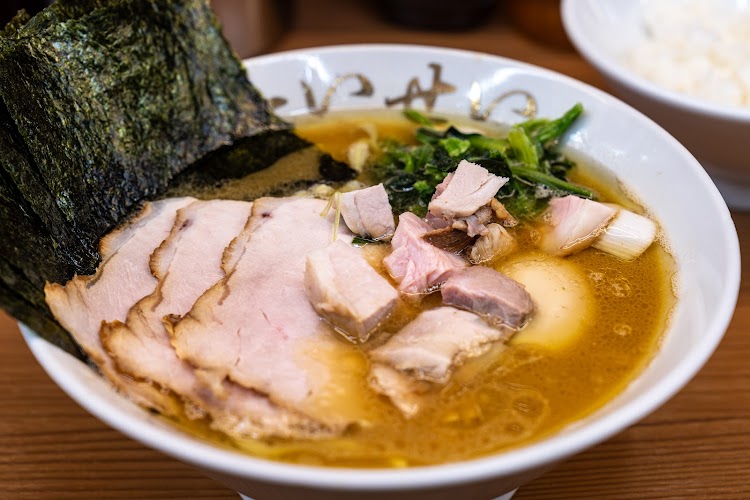
Iekei is the only ramen style in Japan designed to be eaten WITH rice. Many iekei shops offer a bowl of rice you're supposed to dip into the broth or cover with nori sheets and soak. It's a meal, not a snack.

Iekei is not well-known outside Japan, which is a shame — it's one of the most distinctive and satisfying ramen categories in the country, and Tokyo has dozens of excellent shops serving it. If you can only try one "Japanese ramen style that doesn't exist back home," make it iekei.

The family tree

"Iekei" literally means "house style," and it refers to a lineage system. The founding shop, Yoshimuraya in Yokohama, trained apprentices who went on to open their own shops — each of whom ends the shop name in "-ya" (家). These direct descendants are called "chokkei" (直系) or direct lineage. Outside the direct lineage, there are hundreds of "iekei-inspire" shops that follow the style without the apprenticeship.

The customization ritual

The hallmark of iekei is the counter interaction when you order. At the ticket machine or when handing over your ticket, the staff will ask three questions:

  1. Noodle firmness — kata (hard) / futsuu (normal) / yawa (soft)
  2. Oil amount — oome (extra) / futsuu / sukuname (light)
  3. Broth saltiness / richness — koime (strong) / futsuu / usume (light)

For your first bowl: say "futsuu, futsuu, futsuu" (normal, normal, normal). You can experiment once you know the baseline.

Rice and nori: the secret technique

Most iekei shops sell a small bowl of white rice for around ¥100. The locals' move is to take one of the sheets of nori that came with your ramen, dip it into the broth until it softens, then wrap it around a chunk of rice. Alternately, you can dump rice into the remaining broth at the end for a makeshift zōsui. Either way, you are using ramen as a sauce.
Related guide

Iekei vs Jiro: which Tokyo style should you try first?A side-by-side comparison of Tokyo's two most iconic ramen phenomena — broth, portion, customization, and which one belongs on your first trip.

Our picks

Iekei shops to try

Shops recognised by Michelin, Tabelog, or a major ramen award — scored on how easy it is to visit.