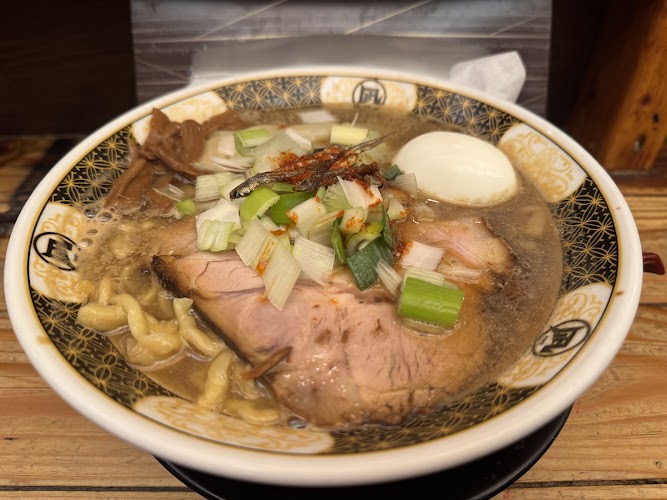
Niboshi ramen is the style where Tokyo ramen nerds go to test each other. A niboshi specialist will simmer kilos of dried sardines for hours, then push the broth just past the point where bitterness kicks in — because that's where the deepest umami lives. The result is a bowl that tastes distinctly, unmistakably of fish, in a way that no other ramen style attempts.
The Aomori classical vs. the Tokyo modernist
Aomori Prefecture, in northern Japan, has been eating niboshi ramen for generations, and their classical style is relatively gentle — a clear broth, a soft fish umami, minimal bitterness. The modern Tokyo school, by contrast, treats niboshi like an extreme sport. Shops like Ramen Itadakimasu push the bitter-umami line as far as it will go, producing broths that are nearly opaque with fish oil and carry a noticeable back-of-tongue bitterness.
When to order niboshi
Niboshi is probably not your first Tokyo ramen bowl. It's a style that rewards palates that have already eaten 5–10 different ramen bowls and want something genuinely different. If you've loved shoyu and want to know where it goes when you push the dashi to 11, niboshi is the answer.
Ramen Nagi and the "Goldfish" niboshi
Ramen Nagi, a chain we include on this list, is known for its niboshi-focused menu at the Shinjuku Golden Gai branch — a great first-time niboshi experience that's aggressive enough to be unmistakable, but not so extreme that beginners bounce off. The Golden Gai branch has an English menu and a photo ordering system.