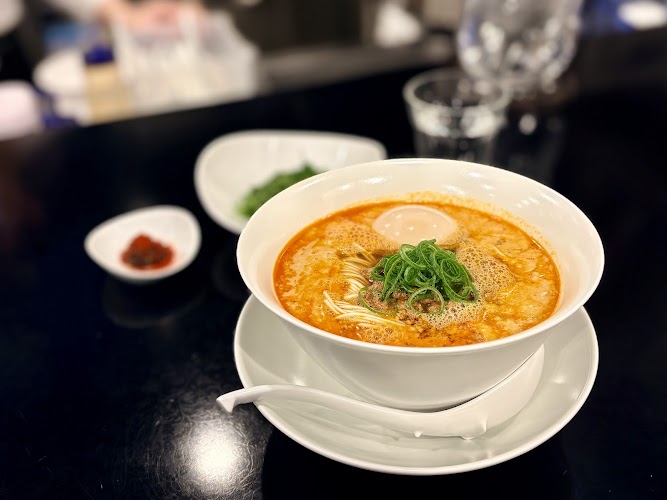
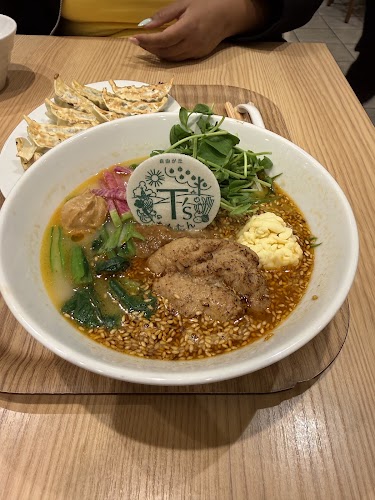
Tantanmen is the only Tokyo ramen style that's openly Chinese in origin, and Japanese ramen chefs have spent the last 30 years perfecting it. The style most non-Japanese travelers know is the Americanized 'dan dan noodles' — a dry, spicy street food. The Japanese version is a soup, thicker, creamier, and often more aggressive in both chili heat and sesame richness.
Nakiryu and the Michelin moment
In 2017, a small tantanmen specialist named Nakiryu in Otsuka became one of two ramen shops in the world to earn a Michelin star. Nakiryu's tantanmen is not the spiciest in Tokyo, but it's arguably the most balanced: a pork broth base with a measured chili-sesame tare that lets you taste the underlying dashi. Getting in can mean a 90-minute wait on weekends. We note this on Nakiryu's page.
The two tantanmen schools
Tokyo tantanmen shops split roughly into two camps. The first is the Japanese refinement school (Nakiryu and similar specialists): relatively balanced, sesame-forward, with Sichuan heat as an accent rather than the main event. The second is the maximum-intensity school (Goku-tan and similar shops): red-orange broth, visible chili oil slick, tongue-numbing mala heat that crosses 4/5 on most Western spice scales.
What to order if you're new to it
For a first tantanmen in Tokyo, order a standard (not "extra spicy") at a shop known for balance. Most shops list spice levels 1–5; stick to 1 or 2 for your first visit. A good tantanmen should taste like sesame, not like pain — the chili should be in service of the sesame, not hiding it.