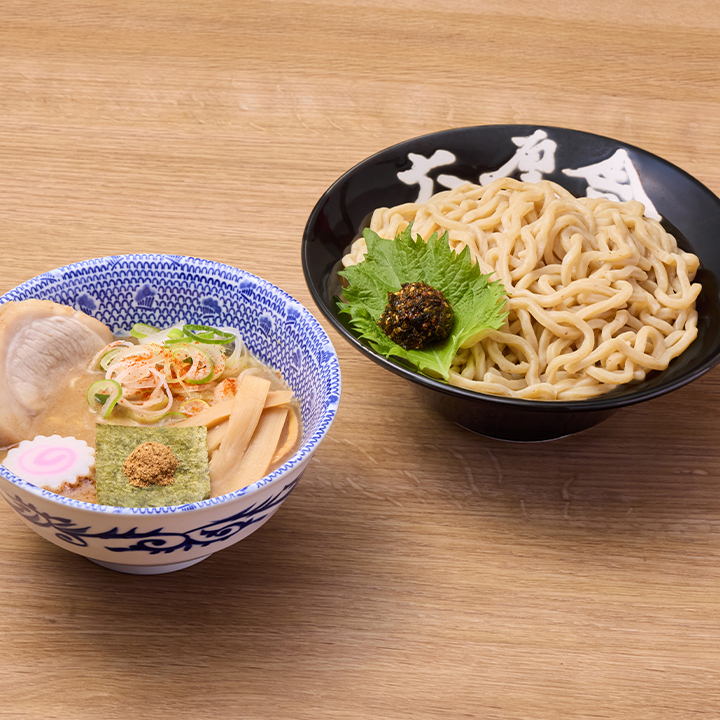
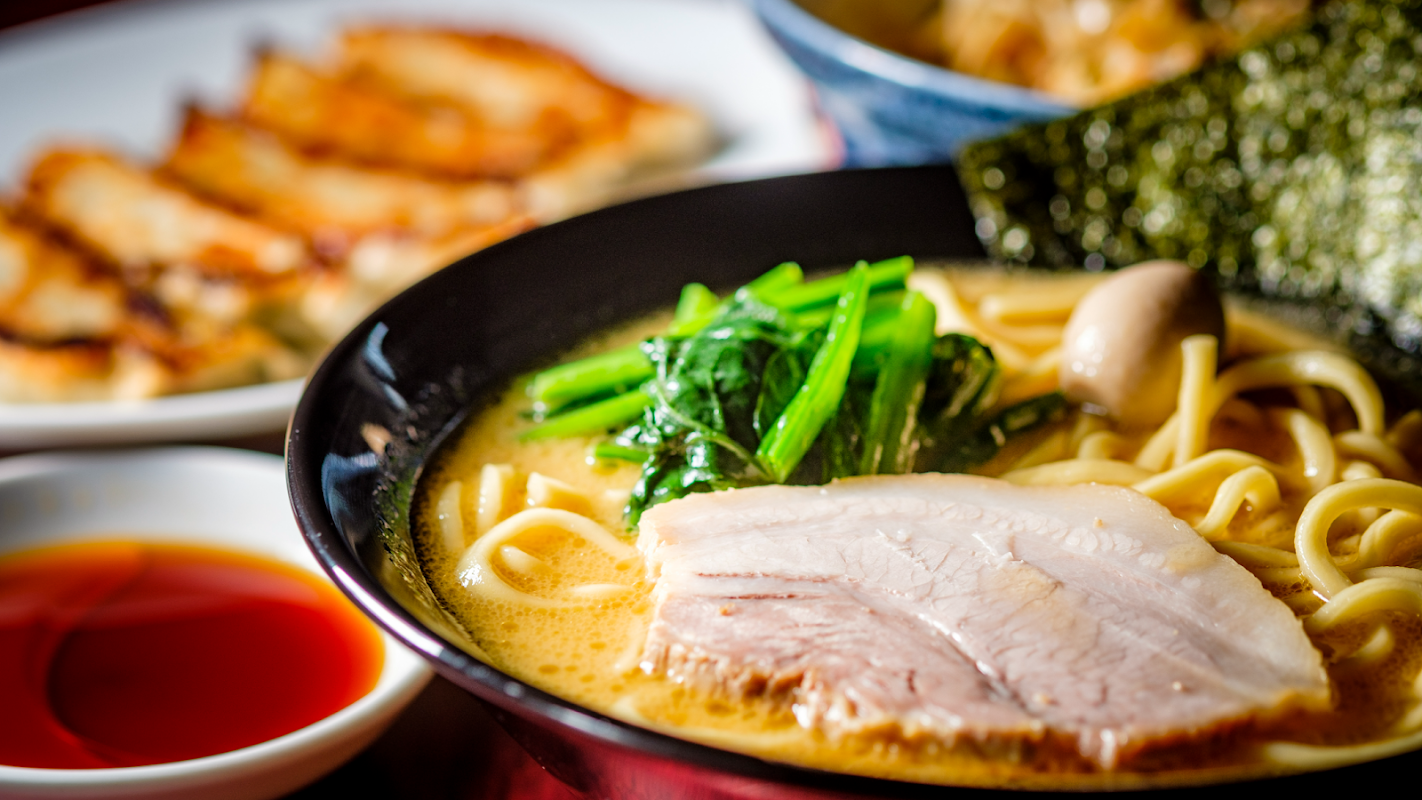
Tokyo Station is the backbone of the country's rail network — every Shinkansen line in eastern Japan starts or ends here — and somebody at JR East figured out, sometime in the 2000s, that the people rushing through the station wanted ramen. The result is Tokyo Ramen Street (東京ラーメンストリート), a corridor on the basement level of the Yaesu side that hosts around eight rotating specialist shops selected for quality, not convenience. The selection is curated; shops that underperform lose their spot.
What to expect
Unlike a neighborhood with organic ramen culture, Tokyo Station's lineup is deliberately constructed. Every shop here is a branch of a named shop from somewhere else in Tokyo — sometimes the original, sometimes a satellite designed for the Station's footprint. The quality is genuinely high, but the atmosphere is pure transit hall: fluorescent lighting, ticket machines with English buttons, neighboring shops selling bento and chocolate to travelers.
Queues at Ramen Street are consistent and heavy between 11:30 and 13:30 on weekdays because the surrounding Marunouchi office district empties into it. Early lunch (before 11:00) and late afternoon are noticeably quieter. Evening queues are shorter than lunch at most shops, because the dinner crowd is smaller than the lunch crowd at a station.
Where in Tokyo Station
- Tokyo Ramen Street (B1, Yaesu side): The main concentration. Enter from the Yaesu North Exit and follow signs for "Tokyo Ramen Street" (東京ラーメンストリート). About eight shops in a single corridor.
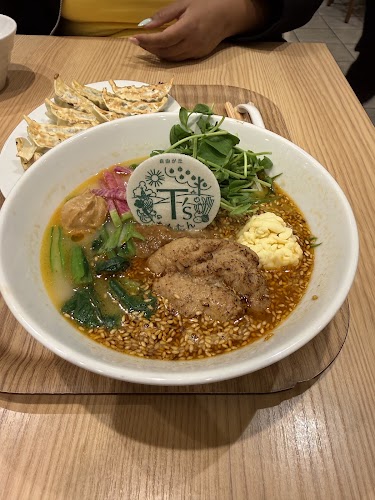
- Keiyo Street (B1, Yaesu side): A parallel food corridor with additional dining including vegan ramen.
- Yaesu side (street level, outside the station): Larger shops and chain flagships spill out into the Yaesu office district.
- Marunouchi side: Fewer ramen-specific shops; more upscale restaurants in the KITTE and Marunouchi Building complexes.
Tokyo Station's layout is famously complex. Ramen Street is inside the ticket gate if you're transferring, but outside the gate if you're arriving from the street — follow "Yaesu South Exit" (八重洲南口) signs and descend to B1.
Local tips
Every shop in Ramen Street has a picture menu or an English menu; most have both. Ticket machines accept IC cards, cash, and increasingly credit cards. If you're arriving at Tokyo Station with a suitcase, the locker banks on B1 near the Ramen Street entrance are your best option — full-size suitcase lockers fill up by mid-morning on weekends, so check immediately when you arrive.
Eating at Ramen Street is the most efficient ramen experience in Tokyo: you can be from Shinkansen to slurping in under fifteen minutes if the queue is short. If your schedule allows, time it around 10:30 or 14:30 to avoid the lunch crush.
After ramen, the Imperial Palace East Gardens (a 10-minute walk from the Marunouchi side) are free, quiet, and open most days — a good counterweight to the station's intensity.