Shibuya is where most first-time visitors to Tokyo end up at some point, and the ramen in the neighborhood has adapted to that traffic. You won't find the most celebrated shops in the city here — those tend to be in quieter residential pockets — but you'll find the most accessible ones: English menus, visible ticket machines, credit cards, and queues that move.
What to expect
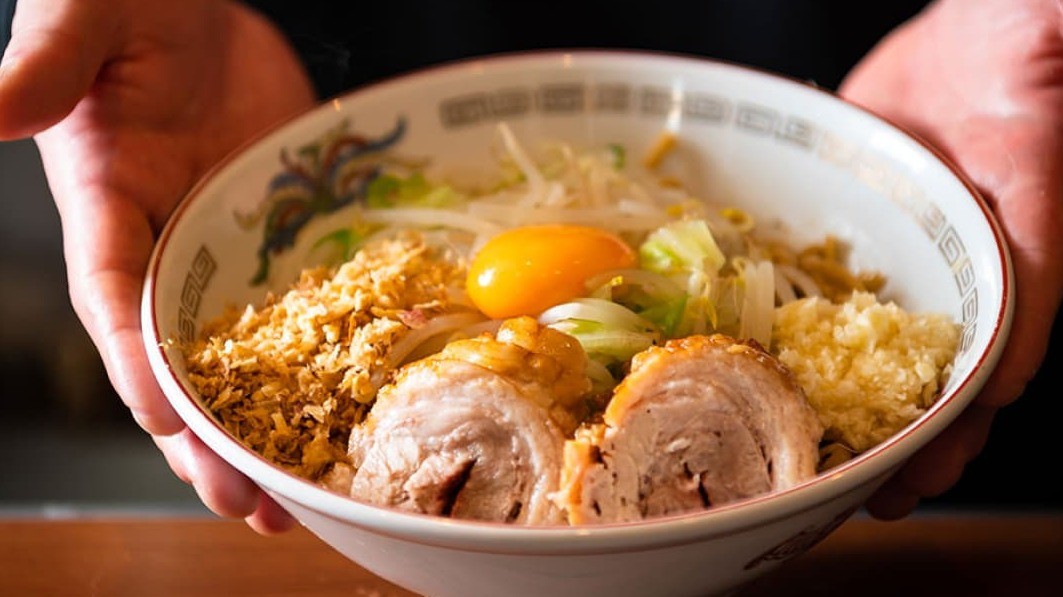
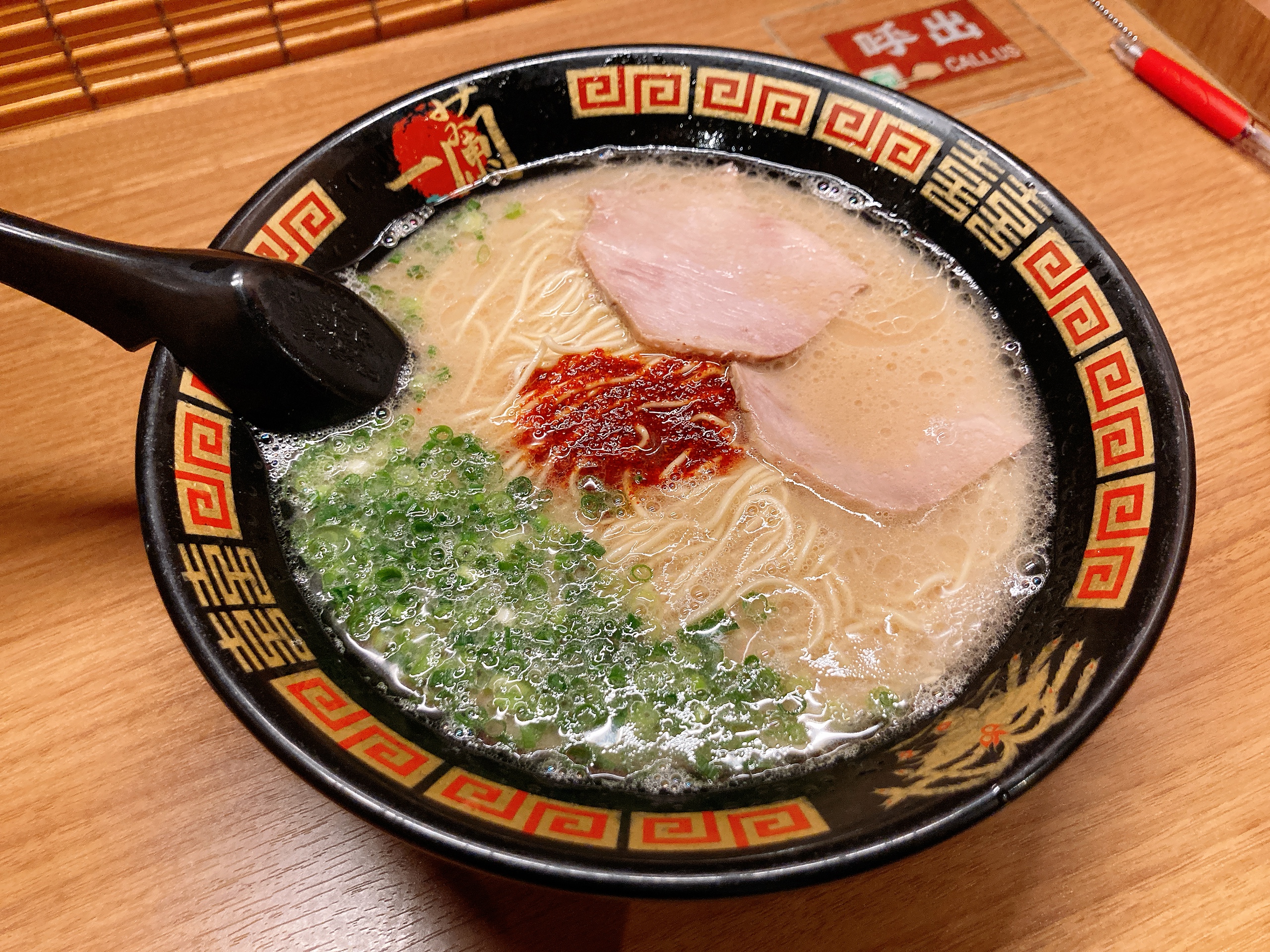
Shibuya's ramen identity is defined by two things: the chains that picked Shibuya as their flagship tourist-facing branch, and the small, specialist counters that serve a single defining style. The neighborhood has room for both a 24-hour international chain with picture menus and a cramped Jiro-style pork shop where the correct noodle order is a muttered one-word incantation. Between the two extremes, you can usually find what you want within a ten-minute walk of Hachiko.
Shibuya Station reopened its concourse in stages over the last few years, so "near Shibuya Station" is now a larger radius than it used to be. Most ramen shops worth visiting are still on the ground level, packed into the back alleys off Center-gai or the slopes rising toward Dogenzaka and Miyamasuzaka.
Where in Shibuya
- Center-gai / Hachiko side: Chain tonkotsu built for foreign visitors, picture menus, credit cards accepted.
- Dogenzaka (slope up toward Shoto): Older, smaller shops — often Jiro-style or neighborhood miso, Japanese-menu only.
- East side (Miyamasuzaka → Omotesando): A quieter strip with a few well-regarded shoyu and tsukemen counters; good if you're walking from Shibuya to Omotesando or Harajuku anyway.
- Late night: Several 24-hour options near the station feed the post-bar crowd until first train.
Local tips
Queue times in Shibuya are less severe than Shinjuku for most shops — the exceptions are the Instagram-famous ones, which can draw 40-minute lines at lunch. If you're on a tight schedule, the chain branches near Hachiko are the safest bet: they're consistent, English-friendly, and the queue moves because they're built for volume.
Shibuya is also one of the few neighborhoods where you can eat ramen at 2 AM without planning ahead. The post-midnight scene is genuinely alive, and several late-night shops are within a five-minute walk of the station.
If you're pairing ramen with sightseeing, the natural loop is Shibuya Sky → lunch ramen → Harajuku/Omotesando → coffee → back to Shibuya for dinner. Meiji Shrine is a quiet 15-minute walk from Harajuku Station, and the surrounding Yoyogi Park is open all day.