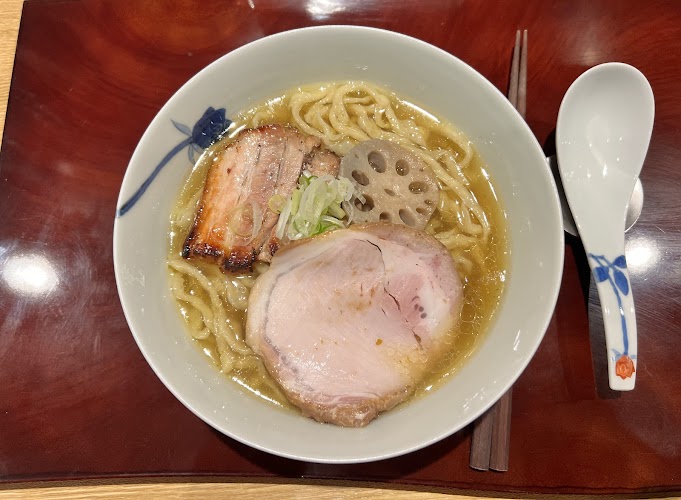
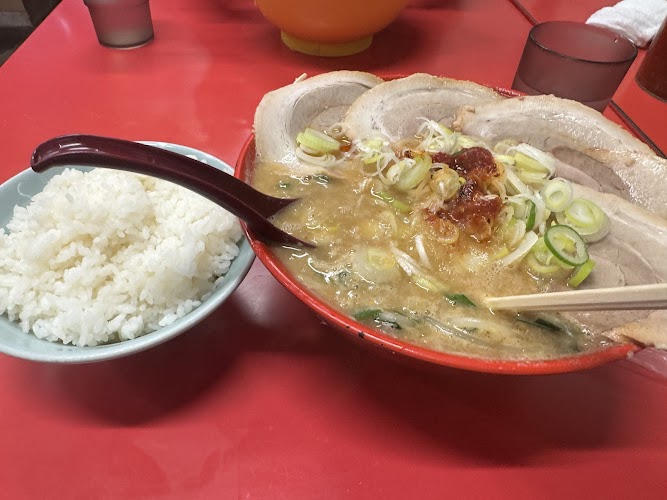
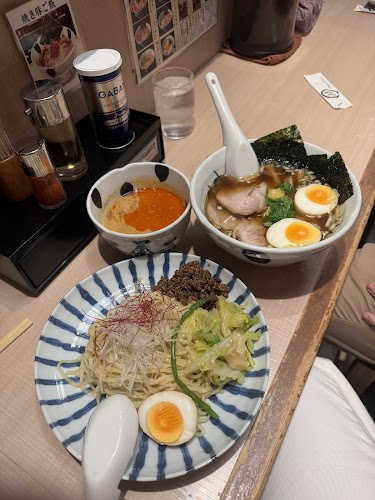
Asakusa is the most historically important ramen neighborhood in Tokyo. Rai Rai Ken — the shop widely credited with inventing modern Tokyo-style ramen — opened here in 1910, on streets that still sit within the Senso-ji visitor flow today. What that means for travelers is that a ramen stop in Asakusa isn't a detour from sightseeing: it's continuous with it. You can eat a classical shoyu bowl, visit the temple, and walk to the Sumida River inside of two hours.
What to expect
Three distinct schools of Tokyo ramen operate within a short walk of each other in Asakusa:
- Classical shoyu — the style that started here, still served in its neighborhood form with yuzu, chicken-and-pork dashi, and restrained toppings.
- Se-abura chaccha — a blunt, oily tonkotsu-shoyu with a golden layer of melted back fat on top. The Asakusa take on this style has run nonstop since 1973 and stays open until 4 AM.
- Hand-massaged noodle chuka-soba — the modernist read, made without MSG or emulsifiers, served in an 11-seat mom-and-pop shop one station over at Tawaramachi.
All three are walkable from Asakusa Station. All three are operating shops, not historical exhibits.
Where in Asakusa
Asakusa Station has multiple exits and three different train lines run through it, which can confuse first-time arrivals.
- Kaminarimon side (Exits 1, 3): The main tourist corridor — the red gate, Nakamise shopping street, and Senso-ji temple. Most travelers end up here. Yoroiya is a three-minute walk from this side.
- Sumida River side (Exits 4, 5): The river walk, cruise boat piers, and the view of Tokyo Skytree across the water. Benkei is a five-minute walk from this side.
- Tawaramachi side (one stop west on the Ginza Line): Quieter, more residential. This is where Men Mitsui relocated in 2023 — technically its own neighborhood but part of the Asakusa ramen scene.
Local tips
Payment varies by shop, and older shops in Asakusa skew cash-only. Benkei is strictly cash only. Yoroiya accepts PayPay and other QR methods but credit cards are not reliable there. Men Mitsui is the outlier — cards, IC cards (Suica/PASMO), and QR all work. Bring ¥3,000–4,000 in yen as a baseline for an Asakusa ramen day.
The Senso-ji tourist rush (11:00–14:00 on weekends) drives every shop in the area. If you have flexibility, eat weekday or after 15:00. Yoroiya also runs a rare 8:30 AM breakfast ramen slot — if you're in Asakusa for sunrise photos at the temple, this is your chance to eat a proper bowl before the crowds arrive.
For vegan travelers: Yoroiya serves a dedicated Vegan Ramen certified by NPO Vege Project Japan. It is the only shop in Asakusa on this list that works for plant-based diners — see the vegan ramen guide for details.